The Science of Nasal Breathing
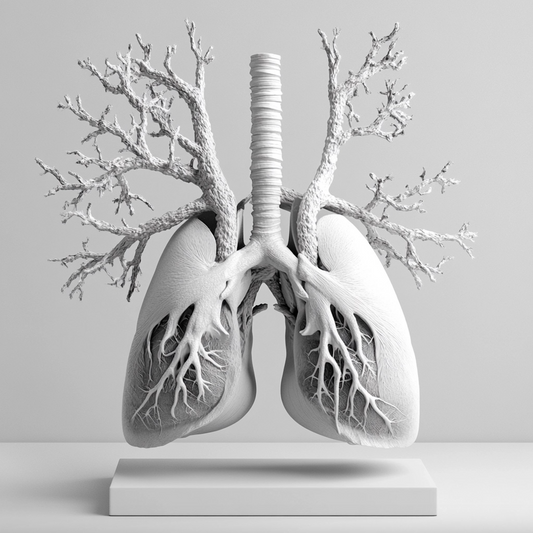
Breathing through the nose stimulates the production of nitric oxide (NO) within the paranasal sinuses. Nitric Oxide is crucial to the process of vasodilation, which increases blood flow and oxygen uptake within the lungs. One study published in the American Journal of Respiratory and Critical Care Medicine (1996) showed that NO ventilates the lungs and increases arterial oxygenation through the improvement of ventilation-perfusion (V/Q) matching. This underlines why breathing through the nose can increase the total amount of oxygen in the blood.
Strong jaw muscles play a crucial role in maintaining proper oral posture, including keeping the mouth closed and encouraging nasal breathing. A study published in the Journal of Oral Rehabilitation (2019) found that individuals with stronger masticatory muscles exhibited better mandibular stability and were less likely to engage in habitual mouth breathing. The study emphasized that strong jaw muscles help support proper lip seal and alignment of the jaw, which are essential for maintaining a closed-mouth posture. This, in turn, promotes nasal breathing by preventing reliance on mouth breathing, thereby improving respiratory efficiency and reducing the risk of associated health issues.